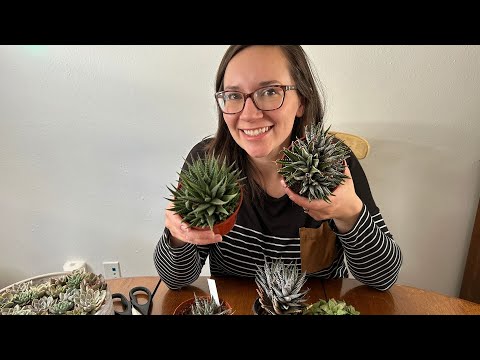
Have you ever looked at a dark, north-facing kitchen windowsill and thought, There's no way I can grow anything here? I've been there, staring at a bare corner, convinced that my dream of fresh herbs year-round was dead on arrival. But I'm here to tell you that low light indoor herbs are not a myth — they're a genuine game changer for anyone who cooks or just loves having a bit of green in their life. You don't need a sun-drenched conservatory or a fancy grow tent to make it work. You just need to pick the right plants and follow a few simple rules that work with your dim space, not against it.
E.g. :Top Shrubs for Rockies and Plains: Expert Growing Tips
- 1、Growing Herbs in Low Light
- 2、Why Most Herbs Fail Inside (And How to Fix It)
- 3、Tips for Growing Herbs in Low Light
- 4、Setting Up Your Indoor Herb Garden for Success
- 5、Common Pests and How to Handle Them Naturally
- 6、Bringing It All Together: Your Low Light Herb Garden Plan
- 7、Growing Herbs in Low Light
- 8、Why Most Herbs Fail Inside (And How to Fix It)
- 9、Tips for Growing Herbs in Low Light
- 10、Setting Up Your Indoor Herb Garden for Success
- 11、Common Pests and How to Handle Them Naturally
- 12、Bringing It All Together: Your Low Light Herb Garden Plan
- 13、FAQs
Have you ever looked at a dark, north-facing kitchen windowsill and thought, "There's no way I can grow anything here"? I've been there, staring at a bare corner, convinced that my dream of fresh herbs year-round was dead on arrival. But I'm here to tell you that low light indoor herbs are not a myth — they're a genuine game changer for anyone who cooks or just loves having a bit of green in their life. You don't need a sun-drenched conservatory or a fancy grow tent to make it work. You just need to pick the right plants and follow a few simple rules that work with your dim space, not against it.
Growing Herbs in Low Light
The Best Culinary Herbs for Shady Windowsills
Chervil, chives, cilantro, lemon balm, mint, oregano, parsley, sweet cicely, tarragon, and thyme are your absolute go-tos for dimmer spots. These soft-leaved herbs evolved on forest edges and underbrush, meaning they don't need blazing sun to pump out flavor. They also mature at shorter heights, making them perfect for cramped countertops or small shelves.
I've kept a mint plant alive and kicking for two years on a desk with nothing but standard office fluorescents — no natural light at all. It wasn't a monster bush, but it was healthy and flavorful enough for mojitos and tea. Parsley is another absolute champion for indoor herb gardening. It takes its sweet time germinating from seed, so I always buy a small starter plant from the nursery. Low light indoor herbs like parsley actually prefer the cooler temperatures that come with less intense light. They bolt to seed much slower indoors, which means you get a longer harvest window. If you want a constant supply, stagger your planting. Start a new pot of chives every three weeks, and you'll never run out of snipping greens for your eggs or baked potatoes.
Scented Herbs That Thrive Without Direct Sun
Catmint, musk geranium, and sweet woodruff are fantastic for adding fragrance to a dim room when you're not planning to cook with them. They're less about culinary use and more about creating a sensory experience that makes your home feel alive. I love brushing my hand against catmint as I walk by — the smell is incredible and instantly relaxing.
Sweet woodruff has a fascinating history — dried leaves smell like freshly mowed hay with a hint of vanilla, and it was widely used in the Middle Ages to scent linens and ward off moths. Musk geranium gives you gorgeous magenta flowers and textured leaves that can smell like roses, lemons, or even chocolate, depending on the specific variety you track down. These plants are naturally adapted to forest floors, so they are genuinely shade tolerant herbs that solve a huge problem for dark corners. Indoors, they don't just survive; they actively thrive when other sun-worshipping plants would wither and die. Just be careful not to overwater them. Scented geraniums especially hate wet feet and will quickly develop root rot if you treat them like thirsty tropicals.
Why Most Herbs Fail Inside (And How to Fix It)
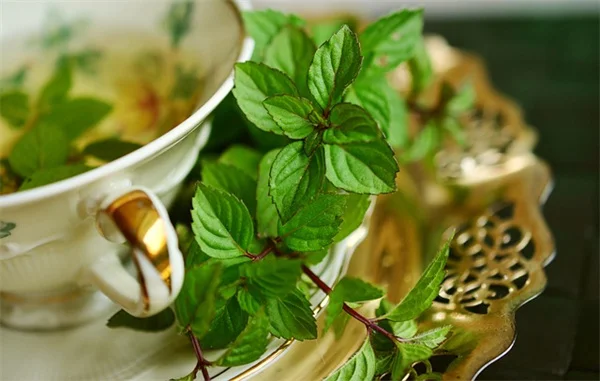 Photos provided by pixabay
The "More Light Is Always Better" Myth
You'd automatically think a south-facing window is the only answer for any plant. For basil and lavender, sure, that works great. For low light indoor herbs, direct scorching afternoon sun can actually burn their delicate leaves and stress them out badly. They evolved for dappled shade, not desert conditions.
So, you might be wondering: if these are shade tolerant herbs, why do they still get leggy and thin indoors even when I put them in a "bright" room? Here's the reality check that changed everything for me. Outdoor "shade" still receives massive amounts of indirect ambient light — way more than the inside of your house. An east-facing window or a spot a few feet back from a south window is the absolute sweet spot for these plants. They need bright, filtered light, not darkness. If they get leggy, it's not because the light is too weak — it's because the duration or quality is off for their needs. You can fix leggy growth immediately by pinching them back hard and moving them closer to a window that doesn't get direct afternoon blast. I use a cheap LED bulb in a standard desk lamp aimed at my seedlings for 12 hours a day, and it works like pure magic for growing herbs in low light.
Killing Your Herbs with Kindness (Water & Fertilizer)
Overwatering is the undisputed number one cause of death for indoor herb gardening. You see a droopy leaf and instantly think "water!", but ninety percent of the time, it's root rot from too much love. Stop watering on a rigid schedule — that's the fastest way to kill a plant.
I killed three pots of cilantro before I finally learned my lesson the hard way. Low light indoor herbs use water much slower than their outdoor cousins because they aren't photosynthesizing as aggressively. In winter, I water my mint once every ten to twelve days, and it's perfectly happy. Stick your finger into the soil up to the second knuckle. If it's bone dry, water thoroughly. If it's damp at all, leave it alone completely. The same goes for fertilizer. You do not need to feed them weekly or even monthly. Half-strength liquid fertilizer once a month during spring and summer is plenty. In fall and winter, stop feeding entirely — they're resting. Forcing growth with fertilizer in low light just creates weak, stretched-out plants that flop over and look pathetic.
Tips for Growing Herbs in Low Light
Maximizing Every Photon (Light Hacks)
You don't need a fancy greenhouse to make this work. Clean your windows regularly — dust on glass blocks a surprising amount of usable light. Also, paint your walls white or use a small mirror to bounce light around the room. Every little bit of reflected light counts for your plants.
Let's talk about specific tricks for growing herbs in low light that actually deliver results. First, rotate your pots a quarter turn every single week. Plants naturally lean toward the light source, and if you don't rotate them, they'll look like they're trying to escape the pot entirely. Second, avoid overcrowding at all costs. Give each plant its own space so light can actually reach the lower leaves. I highly recommend investing in a small LED grow bulb — not a huge panel system, just a single bulb that screws into a standard lamp. You can find them for around ten to fifteen dollars online or at any garden center. Place it about six inches away from the plant and run it for 12 to 14 hours a day. It doesn't perfectly simulate the sun, but for shade tolerant herbs, it's the difference between "barely surviving" and "actively thriving." I use one for my oregano and thyme, and they stay compact and flavorful all winter long without any natural light at all.
| Light Condition | Growth Rate | Leaf Flavor Intensity | Legginess |
|---|---|---|---|
| No Direct Light (Fluorescent Only) | Very Slow | Mild | High |
| North Window Only | Slow | Good | Moderate |
| East Window | Moderate | Great | Low |
| East Window + 12hr LED Bulb | Fast | Excellent | Very Low |
 Photos provided by pixabay
The "More Light Is Always Better" Myth
You might be scared to cut your herbs back hard. Don't be. Frequent harvesting is the absolute secret to bushy, compact plants that don't look sad and stringy. If you let them grow tall and lanky, they'll get weak and flop over on themselves. Pinch them back ruthlessly.
Here's my exact routine for low light indoor herbs. Every single time I harvest, I cut back about a third of the total plant volume. I always cut just above a set of leaves — this forces the plant to send out two new stems from that exact point, making it denser and bushier over time. For mints and oreganos, which are naturally aggressive growers, don't be afraid to cut them way back to just a few inches tall. I've taken a leggy, sad mint plant and chopped it down to just two inches tall, and it came back denser than ever within a few weeks. Remember, in low light, the plant instinctively wants to stretch for the sky. Your job as the gardener is to tell it to stay low and fill out sideways. If you see flower buds forming on your basil or cilantro, pinch them off immediately without hesitation. Once they flower, the leaves get bitter and the plant thinks its life's work is done.
Setting Up Your Indoor Herb Garden for Success
Pots, Soil, and Drainage - The Foundation
Don't use garden soil for indoor pots. It's way too heavy and compacts easily. Use a high-quality potting mix mixed with plenty of perlite. You need air pockets so the roots can actually breathe and exchange gases. Terracotta pots are fantastic for overwaterers because they wick moisture away from the soil.
You might be asking yourself right now — what's the single biggest mistake people make with indoor herb gardening setups? Using the wrong container, hands down. A pot without drainage holes is a death sentence for shade tolerant herbs. You need water to be able to flow out freely from the bottom. I prefer terracotta pots for mint and oregano because they dry out faster, which perfectly prevents root rot. For parsley and chives, which like a bit more consistent moisture, I use glazed ceramic or plastic pots. For the soil mix, I do two parts all-purpose potting soil, one part coarse perlite, and one part compost or worm castings. This gives excellent drainage while still holding enough water and nutrients for low light indoor herbs to feel right at home. Don't skip the drainage layer at the bottom either.
The Ten-Dollar Lighting Hack That Changed Everything
I'm not kidding around here. A standard desk lamp with a daylight LED bulb rated at 5000k to 6500k placed four to six inches from your plants will dramatically improve your success rate with herbs. You absolutely do not need a two-hundred-dollar grow tent setup for this to work.
I used to struggle with low light indoor herbs every single winter. They'd get pale, stretchy, and sad no matter what I did. Then I read a tip from a guy who grew lettuce in his basement using a simple shop light. I adapted that idea immediately. I bought a small adjustable desk lamp from a thrift store for three dollars and a daylight LED bulb for seven dollars. I aimed it at my tray of herbs, and the results were shockingly good. Within just one week, the new growth was tight, dark green, and packed with flavor. Growing herbs in low light is no longer a struggle for me because I stopped relying on natural light alone. The bulb doesn't even put out noticeable heat, so I can run it for 14 hours a day without cooking the plants. This single ten-dollar change made my indoor garden go from "meh" to "magnificent" in no time.
Common Pests and How to Handle Them Naturally
 Photos provided by pixabay
The "More Light Is Always Better" Myth
Low light combined with damp soil creates a paradise for fungus gnats. These tiny black flies are annoying to have buzzing around your face, but they're mostly harmless to the plant itself. Yellow sticky traps and letting the soil dry out between waterings clears them up fast without any harsh chemicals.
Aphids and spider mites are a completely different story, and they can wreck your plants fast. They suck the sap right out of your low light indoor herbs and weaken them drastically over time. I check the undersides of leaves every single time I water. If I see a few aphids, I just wipe them off with my finger. If the infestation is bigger, I mix a teaspoon of mild liquid soap into a quart of water and spray the plant thoroughly, hitting all the leaf crevices and stems. Do this in the sink and rinse after 15 minutes. For spider mites, which look like tiny red specks and leave fine webbing, the same soap spray works well, but you have to be diligent and repeat the treatment every few days. Quarantine any new plant for two weeks before putting it near your other herbs. I learned this the hard way after a new pot of thyme brought spider mites to my entire collection and ruined several plants.
Spotting Problems Before They Spread
What if your herb just looks generally sad, but you don't see any bugs on the leaves or stems? Check the roots immediately. Gently slide the plant out of its pot and look at the root ball. If the roots are brown and mushy, you have root rot setting in. If they're white and firm, you're perfectly fine.
Yellow leaves usually mean overwatering or a lack of nitrogen in the soil. Pale leaves usually mean not enough light reaching the plant. Drooping leaves can mean either too much water or not enough — check the soil moisture to decide which direction to go. The absolute key to successful indoor herb gardening is simple daily observation. Spend just 30 seconds a day actually looking at your plants and noticing changes. I've caught serious problems early simply because I made it a habit to glance at them every morning. Low light indoor herbs are incredibly resilient, but they can't yell at you when something is wrong. They just slowly change color or stop growing entirely. If your cilantro is bolting and growing tall indoors, it's likely stressed from heat or inconsistent watering, not just light levels. Move it to a cooler spot and keep the soil consistently moist to stop it from going to seed too early.
Bringing It All Together: Your Low Light Herb Garden Plan
Your Quick Start Checklist for Success
Start with the right plants for your specific conditions. Mint, parsley, chives, and oregano are the absolute easiest for beginners to keep alive indoors. Don't start with basil or lavender unless you have strong supplemental lights ready to go.
Here is my honest take after years of trial and error. You don't need perfect conditions to enjoy fresh herbs year-round from your kitchen. You just need to work with your environment, not against it every step of the way. Choose shade tolerant herbs that match your available light. Give them the best spot you have available. Use a cheap LED light if you can manage it. Water sparingly and check the soil first. Harvest often and pinch back the tips. That's the entire formula for success. I've had an oregano plant on my dark kitchen counter for three years that provides more leaves than I can possibly use. It sits in a tiny terracotta pot, gets watered once a week, and gets pruned ruthlessly. It absolutely loves the neglect and low light. Find the herbs that match your specific light conditions and your attention span, and you will succeed. You've got this — your indoor herb garden is waiting for you.
Have you ever looked at a dark, north-facing kitchen windowsill and thought, "There's no way I can grow anything here"? I've been there, staring at a bare corner, convinced that my dream of fresh herbs year-round was dead on arrival. But I'm here to tell you that low light indoor herbs are not a myth — they're a genuine game changer for anyone who cooks or just loves having a bit of green in their life. You don't need a sun-drenched conservatory or a fancy grow tent to make it work. You just need to pick the right plants and follow a few simple rules that work with your dim space, not against it.
Growing Herbs in Low Light
The Best Culinary Herbs for Shady Windowsills
Chervil, chives, cilantro, lemon balm, mint, oregano, parsley, sweet cicely, tarragon, and thyme are your absolute go-tos for dimmer spots. These soft-leaved herbs evolved on forest edges and underbrush, meaning they don't need blazing sun to pump out flavor. They also mature at shorter heights, making them perfect for cramped countertops or small shelves.
I've kept a mint plant alive and kicking for two years on a desk with nothing but standard office fluorescents — no natural light at all. It wasn't a monster bush, but it was healthy and flavorful enough for mojitos and tea. Parsley is another absolute champion for indoor herb gardening. It takes its sweet time germinating from seed, so I always buy a small starter plant from the nursery. Low light indoor herbs like parsley actually prefer the cooler temperatures that come with less intense light. They bolt to seed much slower indoors, which means you get a longer harvest window. If you want a constant supply, stagger your planting. Start a new pot of chives every three weeks, and you'll never run out of snipping greens for your eggs or baked potatoes.
Scented Herbs That Thrive Without Direct Sun
Catmint, musk geranium, and sweet woodruff are fantastic for adding fragrance to a dim room when you're not planning to cook with them. They're less about culinary use and more about creating a sensory experience that makes your home feel alive. I love brushing my hand against catmint as I walk by — the smell is incredible and instantly relaxing.
Sweet woodruff has a fascinating history — dried leaves smell like freshly mowed hay with a hint of vanilla, and it was widely used in the Middle Ages to scent linens and ward off moths. Musk geranium gives you gorgeous magenta flowers and textured leaves that can smell like roses, lemons, or even chocolate, depending on the specific variety you track down. These plants are naturally adapted to forest floors, so they are genuinely shade tolerant herbs that solve a huge problem for dark corners. Indoors, they don't just survive; they actively thrive when other sun-worshipping plants would wither and die. Just be careful not to overwater them. Scented geraniums especially hate wet feet and will quickly develop root rot if you treat them like thirsty tropicals.
Why Most Herbs Fail Inside (And How to Fix It)
Photos provided by pixabay
The "More Light Is Always Better" Myth
You'd automatically think a south-facing window is the only answer for any plant. For basil and lavender, sure, that works great. For low light indoor herbs, direct scorching afternoon sun can actually burn their delicate leaves and stress them out badly. They evolved for dappled shade, not desert conditions.
So, you might be wondering: if these are shade tolerant herbs, why do they still get leggy and thin indoors even when I put them in a "bright" room? Here's the reality check that changed everything for me. Outdoor "shade" still receives massive amounts of indirect ambient light — way more than the inside of your house. An east-facing window or a spot a few feet back from a south window is the absolute sweet spot for these plants. They need bright, filtered light, not darkness. If they get leggy, it's not because the light is too weak — it's because the duration or quality is off for their needs. You can fix leggy growth immediately by pinching them back hard and moving them closer to a window that doesn't get direct afternoon blast. I use a cheap LED bulb in a standard desk lamp aimed at my seedlings for 12 hours a day, and it works like pure magic for growing herbs in low light.
Killing Your Herbs with Kindness (Water & Fertilizer)
Overwatering is the undisputed number one cause of death for indoor herb gardening. You see a droopy leaf and instantly think "water!", but ninety percent of the time, it's root rot from too much love. Stop watering on a rigid schedule — that's the fastest way to kill a plant.
I killed three pots of cilantro before I finally learned my lesson the hard way. Low light indoor herbs use water much slower than their outdoor cousins because they aren't photosynthesizing as aggressively. In winter, I water my mint once every ten to twelve days, and it's perfectly happy. Stick your finger into the soil up to the second knuckle. If it's bone dry, water thoroughly. If it's damp at all, leave it alone completely. The same goes for fertilizer. You do not need to feed them weekly or even monthly. Half-strength liquid fertilizer once a month during spring and summer is plenty. In fall and winter, stop feeding entirely — they're resting. Forcing growth with fertilizer in low light just creates weak, stretched-out plants that flop over and look pathetic.
Tips for Growing Herbs in Low Light
Maximizing Every Photon (Light Hacks)
You don't need a fancy greenhouse to make this work. Clean your windows regularly — dust on glass blocks a surprising amount of usable light. Also, paint your walls white or use a small mirror to bounce light around the room. Every little bit of reflected light counts for your plants.
Let's talk about specific tricks for growing herbs in low light that actually deliver results. First, rotate your pots a quarter turn every single week. Plants naturally lean toward the light source, and if you don't rotate them, they'll look like they're trying to escape the pot entirely. Second, avoid overcrowding at all costs. Give each plant its own space so light can actually reach the lower leaves. I highly recommend investing in a small LED grow bulb — not a huge panel system, just a single bulb that screws into a standard lamp. You can find them for around ten to fifteen dollars online or at any garden center. Place it about six inches away from the plant and run it for 12 to 14 hours a day. It doesn't perfectly simulate the sun, but for shade tolerant herbs, it's the difference between "barely surviving" and "actively thriving." I use one for my oregano and thyme, and they stay compact and flavorful all winter long without any natural light at all.
| Light Condition | Growth Rate | Leaf Flavor Intensity | Legginess |
|---|---|---|---|
| No Direct Light (Fluorescent Only) | Very Slow | Mild | High |
| North Window Only | Slow | Good | Moderate |
| East Window | Moderate | Great | Low |
| East Window + 12hr LED Bulb | Fast | Excellent | Very Low |
Photos provided by pixabay
The "More Light Is Always Better" Myth
You might be scared to cut your herbs back hard. Don't be. Frequent harvesting is the absolute secret to bushy, compact plants that don't look sad and stringy. If you let them grow tall and lanky, they'll get weak and flop over on themselves. Pinch them back ruthlessly.
Here's my exact routine for low light indoor herbs. Every single time I harvest, I cut back about a third of the total plant volume. I always cut just above a set of leaves — this forces the plant to send out two new stems from that exact point, making it denser and bushier over time. For mints and oreganos, which are naturally aggressive growers, don't be afraid to cut them way back to just a few inches tall. I've taken a leggy, sad mint plant and chopped it down to just two inches tall, and it came back denser than ever within a few weeks. Remember, in low light, the plant instinctively wants to stretch for the sky. Your job as the gardener is to tell it to stay low and fill out sideways. If you see flower buds forming on your basil or cilantro, pinch them off immediately without hesitation. Once they flower, the leaves get bitter and the plant thinks its life's work is done.
Setting Up Your Indoor Herb Garden for Success
Pots, Soil, and Drainage - The Foundation
Don't use garden soil for indoor pots. It's way too heavy and compacts easily. Use a high-quality potting mix mixed with plenty of perlite. You need air pockets so the roots can actually breathe and exchange gases. Terracotta pots are fantastic for overwaterers because they wick moisture away from the soil.
You might be asking yourself right now — what's the single biggest mistake people make with indoor herb gardening setups? Using the wrong container, hands down. A pot without drainage holes is a death sentence for shade tolerant herbs. You need water to be able to flow out freely from the bottom. I prefer terracotta pots for mint and oregano because they dry out faster, which perfectly prevents root rot. For parsley and chives, which like a bit more consistent moisture, I use glazed ceramic or plastic pots. For the soil mix, I do two parts all-purpose potting soil, one part coarse perlite, and one part compost or worm castings. This gives excellent drainage while still holding enough water and nutrients for low light indoor herbs to feel right at home. Don't skip the drainage layer at the bottom either.
The Ten-Dollar Lighting Hack That Changed Everything
I'm not kidding around here. A standard desk lamp with a daylight LED bulb rated at 5000k to 6500k placed four to six inches from your plants will dramatically improve your success rate with herbs. You absolutely do not need a two-hundred-dollar grow tent setup for this to work.
I used to struggle with low light indoor herbs every single winter. They'd get pale, stretchy, and sad no matter what I did. Then I read a tip from a guy who grew lettuce in his basement using a simple shop light. I adapted that idea immediately. I bought a small adjustable desk lamp from a thrift store for three dollars and a daylight LED bulb for seven dollars. I aimed it at my tray of herbs, and the results were shockingly good. Within just one week, the new growth was tight, dark green, and packed with flavor. Growing herbs in low light is no longer a struggle for me because I stopped relying on natural light alone. The bulb doesn't even put out noticeable heat, so I can run it for 14 hours a day without cooking the plants. This single ten-dollar change made my indoor garden go from "meh" to "magnificent" in no time.
Common Pests and How to Handle Them Naturally
Photos provided by pixabay
The "More Light Is Always Better" Myth
Low light combined with damp soil creates a paradise for fungus gnats. These tiny black flies are annoying to have buzzing around your face, but they're mostly harmless to the plant itself. Yellow sticky traps and letting the soil dry out between waterings clears them up fast without any harsh chemicals.
Aphids and spider mites are a completely different story, and they can wreck your plants fast. They suck the sap right out of your low light indoor herbs and weaken them drastically over time. I check the undersides of leaves every single time I water. If I see a few aphids, I just wipe them off with my finger. If the infestation is bigger, I mix a teaspoon of mild liquid soap into a quart of water and spray the plant thoroughly, hitting all the leaf crevices and stems. Do this in the sink and rinse after 15 minutes. For spider mites, which look like tiny red specks and leave fine webbing, the same soap spray works well, but you have to be diligent and repeat the treatment every few days. Quarantine any new plant for two weeks before putting it near your other herbs. I learned this the hard way after a new pot of thyme brought spider mites to my entire collection and ruined several plants.
Spotting Problems Before They Spread
What if your herb just looks generally sad, but you don't see any bugs on the leaves or stems? Check the roots immediately. Gently slide the plant out of its pot and look at the root ball. If the roots are brown and mushy, you have root rot setting in. If they're white and firm, you're perfectly fine.
Yellow leaves usually mean overwatering or a lack of nitrogen in the soil. Pale leaves usually mean not enough light reaching the plant. Drooping leaves can mean either too much water or not enough — check the soil moisture to decide which direction to go. The absolute key to successful indoor herb gardening is simple daily observation. Spend just 30 seconds a day actually looking at your plants and noticing changes. I've caught serious problems early simply because I made it a habit to glance at them every morning. Low light indoor herbs are incredibly resilient, but they can't yell at you when something is wrong. They just slowly change color or stop growing entirely. If your cilantro is bolting and growing tall indoors, it's likely stressed from heat or inconsistent watering, not just light levels. Move it to a cooler spot and keep the soil consistently moist to stop it from going to seed too early.
Bringing It All Together: Your Low Light Herb Garden Plan
Your Quick Start Checklist for Success
Start with the right plants for your specific conditions. Mint, parsley, chives, and oregano are the absolute easiest for beginners to keep alive indoors. Don't start with basil or lavender unless you have strong supplemental lights ready to go.
Here is my honest take after years of trial and error. You don't need perfect conditions to enjoy fresh herbs year-round from your kitchen. You just need to work with your environment, not against it every step of the way. Choose shade tolerant herbs that match your available light. Give them the best spot you have available. Use a cheap LED light if you can manage it. Water sparingly and check the soil first. Harvest often and pinch back the tips. That's the entire formula for success. I've had an oregano plant on my dark kitchen counter for three years that provides more leaves than I can possibly use. It sits in a tiny terracotta pot, gets watered once a week, and gets pruned ruthlessly. It absolutely loves the neglect and low light. Find the herbs that match your specific light conditions and your attention span, and you will succeed. You've got this — your indoor herb garden is waiting for you.
E.g. :What are the best herbs to grow in low light. : r/IndoorGarden - Reddit
The Easiest Herbs to Grow Indoors with Low Light - Hearth and Vine
Easy herbs to grow in pots indoors in low sunlight area? - Reddit
11 Herbs You Can Grow Indoors in Low Light - Epic Gardening
Indoor Herb Gardening: Growing Herbs In Low Light
FAQs
Q: Can I really grow herbs indoors without any direct sunlight at all?
A: Absolutely, yes — and I've proven this to myself multiple times. I've kept a thriving mint plant on a desk with nothing but standard office fluorescent lights for over two years. It wasn't a massive bush, but it produced plenty of leaves for tea and cocktails. The key is choosing the right plants. Growing herbs in low light works best with soft-leaved species like chervil, chives, cilantro, lemon balm, mint, oregano, parsley, sweet cicely, tarragon, and thyme. These herbs evolved on forest edges and underbrush, so they don't need blazing sun to pump out flavor. They also mature at shorter heights, making them perfect for cramped countertops or small shelves. If you have a window that gets any light at all — even a north-facing one — you're in good shape. I recommend a cheap LED bulb in a desk lamp aimed at your plants for 12-14 hours a day. This ten-dollar hack changed my entire indoor garden from struggling to thriving. Without any natural light at all, the bulb alone keeps my oregano and thyme compact and flavorful all winter long.
Q: Why do my indoor herbs get leggy and thin even when I put them in a bright room?
A: This is the most common frustration I hear from beginners, and I've been through it myself. Here's the reality check that changed everything for me. Outdoor "shade" still receives massive amounts of indirect ambient light — way more than the inside of your house. When you're growing herbs in low light indoors, even a bright room has far less light than a shaded outdoor spot. Your plants instinctively stretch toward the light source, which creates that thin, leggy look. The fix is simple but requires a mindset shift. Move your plants to an east-facing window or a spot a few feet back from a south window — that's the absolute sweet spot for shade tolerant herbs. They need bright, filtered light, not darkness. Also, rotate your pots a quarter turn every single week so they don't lean in one direction. But the most effective solution I've found is a single daylight LED bulb placed six inches from the plants for 12-14 hours a day. It doesn't mimic the sun perfectly, but for these herbs, it's the difference between "barely surviving" and "actively thriving." I use one for my oregano and thyme, and they stay compact and flavorful all winter long.
Q: How often should I water low light indoor herbs?
A: Stop watering on a rigid schedule — that's the fastest way to kill your plants. I killed three pots of cilantro before I finally learned this lesson the hard way. Low light indoor herbs use water much slower than their outdoor cousins because they aren't photosynthesizing as aggressively. In winter, I water my mint once every ten to twelve days, and it's perfectly happy. The rule I follow is simple: stick your finger into the soil up to the second knuckle. If it's bone dry, water thoroughly. If it's damp at all, leave it alone completely. Overwatering is the undisputed number one cause of death for indoor herb gardening. You see a droopy leaf and instantly think "water!", but ninety percent of the time, it's root rot from too much love. On cloudy days, your plants grow even less and require even less water. Check soil moisture levels before watering to avoid root rot and fungal diseases. I use terracotta pots for mint and oregano because they dry out faster, which perfectly prevents root rot. For parsley and chives, which like a bit more consistent moisture, I use glazed ceramic or plastic pots. The key is observation, not a calendar.
Q: What's the biggest mistake people make with indoor herb gardening setups?
A: Using the wrong container, hands down. A pot without drainage holes is a death sentence for shade tolerant herbs. You need water to be able to flow out freely from the bottom. I recommend terracotta pots for mint and oregano because they dry out faster, which prevents root rot. For parsley and chives, which like a bit more consistent moisture, use glazed ceramic or plastic pots. For the soil mix, do two parts all-purpose potting soil, one part coarse perlite, and one part compost or worm castings. This gives excellent drainage while still holding enough water and nutrients for low light indoor herbs to feel right at home. Don't use garden soil — it's way too heavy and compacts easily, suffocating the roots. Another common mistake is putting plants too close together. Give each plant its own space so light can actually reach the lower leaves. I've seen people shove six herbs into one window box, and every single one ends up skinny and weak. Also, avoid overcrowding planters to allow more light to reach individual plants and leaves. If you're setting up your first indoor herb gardening space, start with just two or three plants in separate pots. You can always add more once you've mastered the basics.
Q: How do I deal with pests like gnats and aphids on my indoor herbs?
A: Low light combined with damp soil creates a paradise for fungus gnats. These tiny black flies are annoying to have buzzing around your face, but they're mostly harmless to the plant itself. Yellow sticky traps and letting the soil dry out between waterings clears them up fast without any harsh chemicals. I place a small yellow sticky trap near each pot, and within a week, the gnat population drops dramatically. For aphids and spider mites, which are a completely different story, you need to act fast. They suck the sap right out of your low light indoor herbs and weaken them drastically over time. I check the undersides of leaves every single time I water. If I see a few aphids, I just wipe them off with my finger. If the infestation is bigger, I mix a teaspoon of mild liquid soap into a quart of water and spray the plant thoroughly, hitting all the leaf crevices and stems. Do this in the sink and rinse after 15 minutes. For spider mites, which look like tiny red specks and leave fine webbing, the same soap spray works well, but you have to be diligent and repeat the treatment every few days. Quarantine any new plant for two weeks before putting it near your other herbs. I learned this the hard way after a new pot of thyme brought spider mites to my entire collection. Regular observation is your best defense — spend just 30 seconds a day looking at your plants.